Mastering Substrate Wetting Agents in Waterborne Systems: A Comprehensive Guide

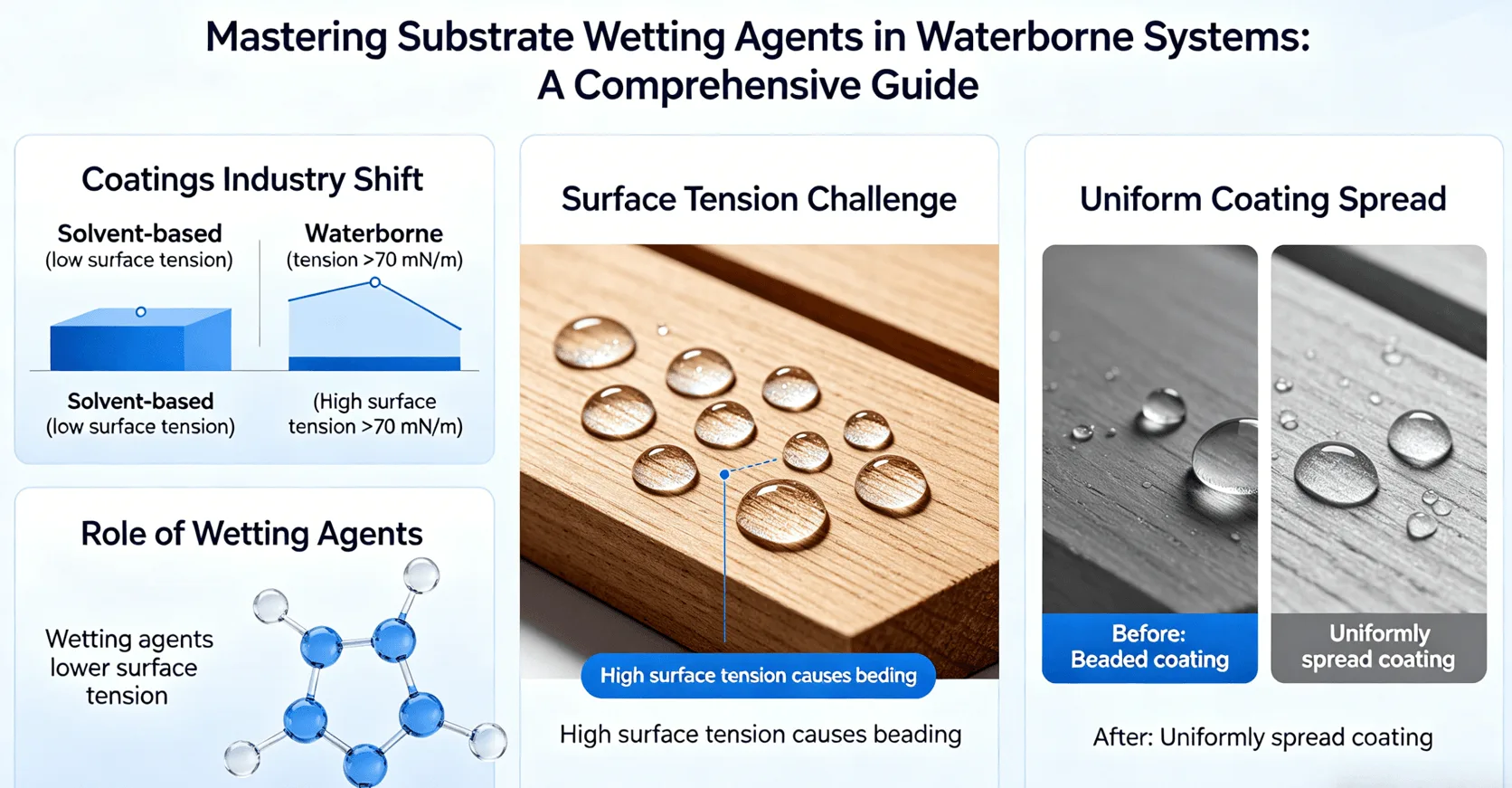
In the modern coatings industry, the shift from solvent-based to waterborne coating systems—particularly in wood and industrial applications—presents a unique physical challenge

. The culprit is the high surface tension of water, which exceeds 70 mN/m and far surpasses the surface tension of common substrates like plastic or treated wood.
To overcome this, formulators rely on substrate wetting agents. These essential additives lower the system's surface tension to ensure the coating spreads uniformly rather than beading up.
Static vs. Dynamic Surface Tension: Why Time Matters
In applications like high-speed printing or inkjet systems, wetting is a race against time. We must evaluate wetting agents through two lenses:
Static Surface Tension: This measures an additive's ultimate power to reduce surface tension at equilibrium. A lower static value indicates a stronger overall wetting capability.
Dynamic Surface Tension: This reflects the speed at which an additive migrates to a new interface. In fast-working systems, an additive with low static tension might fail if its dynamic tension is too high (i.e., it moves too slowly).
Pro Tip: While organosilicon and organic fluorine offer incredibly low static tension, they don't always win the race in dynamic environments.
Classification of Wetting Agents
Choosing the right chemistry depends on your specific application requirements:
1. Organosilicone and Polyether-modified Polymers
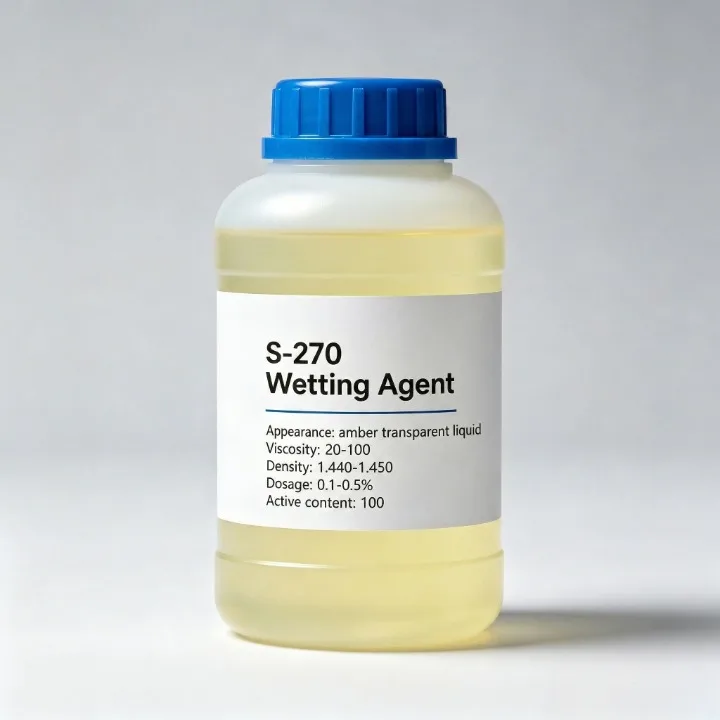
These are the industry standards for high-performance wetting. For instance, high-performance polyether-modified polymers, such as the S-270 Wetting Agent, are engineered to offer exceptional compatibility with acrylic, nitrocellulose, and polyurethane systems. These additives are particularly effective in high-precision applications like inkjet inks and automotive paints where flawless wetting is non-negotiable.
2. Acetylene Glycol and Derivatives
If your priority is dynamic wetting, acetylene glycols are excellent. They excel in high-speed applications and offer a secondary benefit: defoaming. In waterborne systems where foam is a constant headache, this dual-functionality is invaluable.
The Science of Molecular Weight and Application
Why do we prefer small molecules for wetting? Physics tells us that migration speed depends on molecular size. Smaller molecules move faster.
Effective substrate wetting agents usually feature a specific structure that allows the organosilicon segments to extend fully, exposing methyl (-CH3) groups to the surface. This orientation effectively "masks" the high tension of water. When using advanced 100% non-volatile matter formulations like S-270, formulators typically only need a dosage of 0.1% to 0.5% to achieve optimal distribution during the paint mixing stage.
Wetting Agent vs. Leveling Agent: The Critical Difference
It is a common mistake to use these terms interchangeably. However, they serve different purposes:
Substrate Wetting Agents: Use specific chain structures to ensure the paint reaches the surface and prevents "crawling" or "fish-eyes."
Leveling Agents: Utilize higher molecular weights to provide "slip" and "hand-feel" to the dried film.
For a perfect finish, chemists usually combine a substrate wetting agent for initial coverage with a high-molecular-weight leveling agent for surface smoothness.
Conclusion
Selecting the right substrate wetting agent is the difference between a failed coating and a premium finish. Whether you are working with digital media inkjet inks or heavy-duty industrial coatings, understanding these dynamics allows for total formula optimization.
Are you looking to improve the atomization or crater resistance of your waterborne spray? Optimize your choice with our high-performance range:
S-270 Wetting Agent: A 100% non-volatile, polyether-modified polymer. It offers performance similar to TEGO 270 and is ideal for automotive, wood, and inkjet applications.
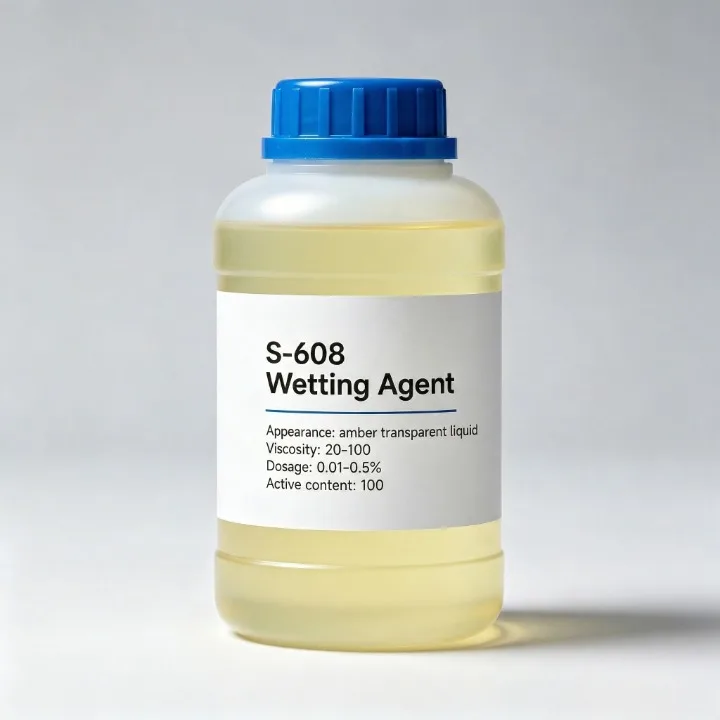
S-608 Wetting Agent: Designed for rapid spreading, providing performance similarly to Silwet 408.
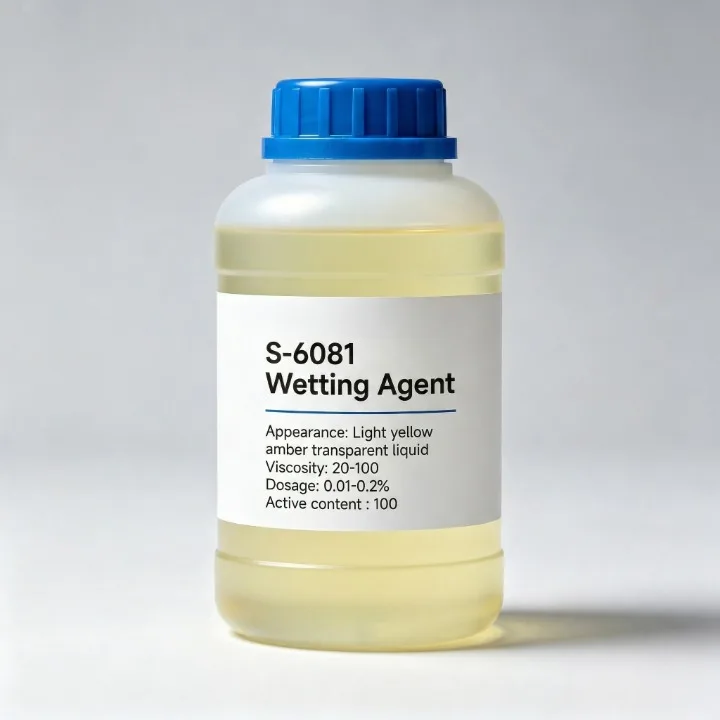
S-6081 Wetting Agent: A high-performance agent specifically engineered for both solvent-based and water-based coatings and printing inks.
Contact our team to match the right agent to your specific resin system.